
Every missing tree represents a choice
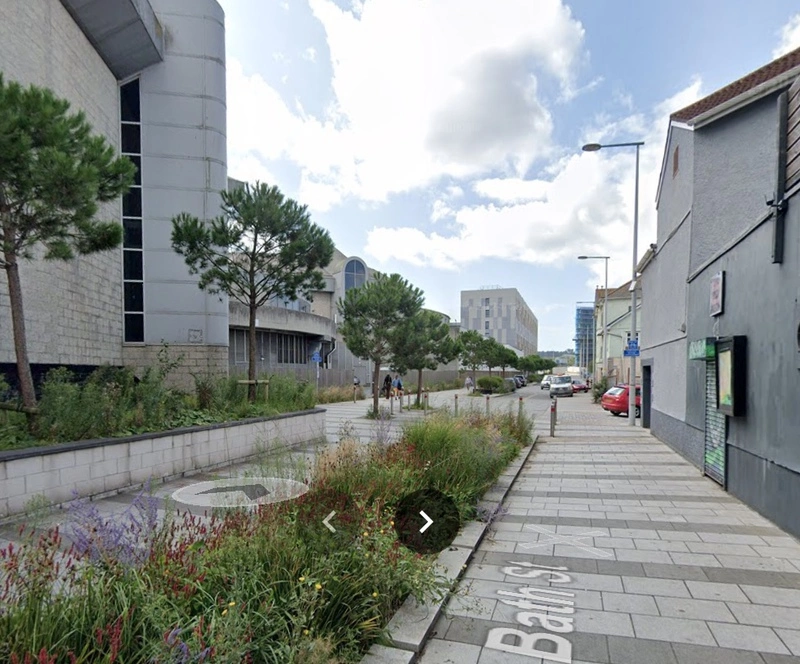
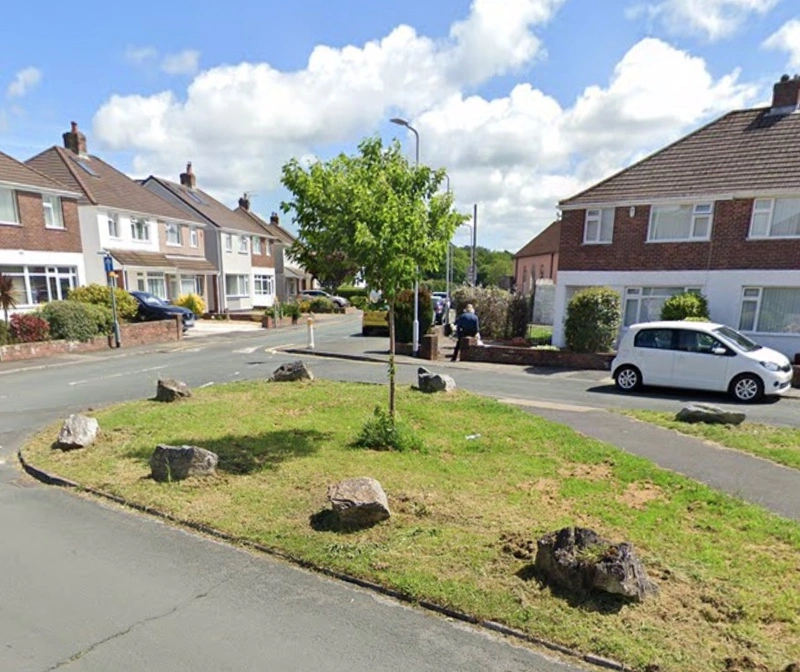
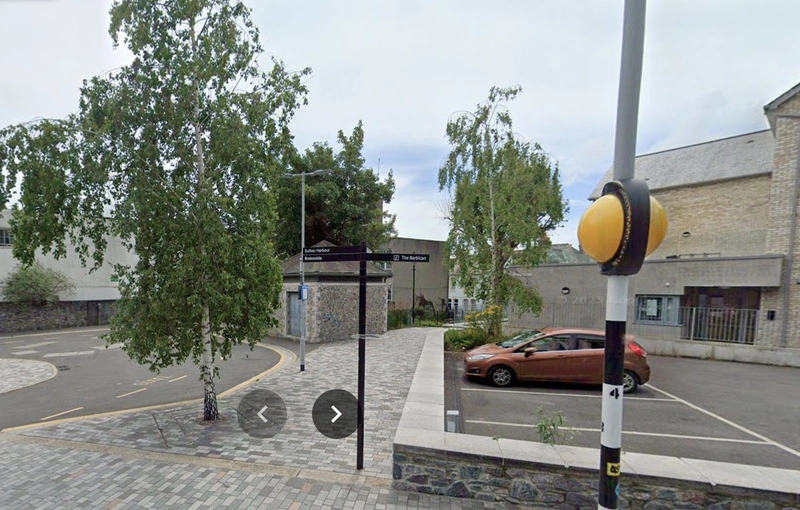
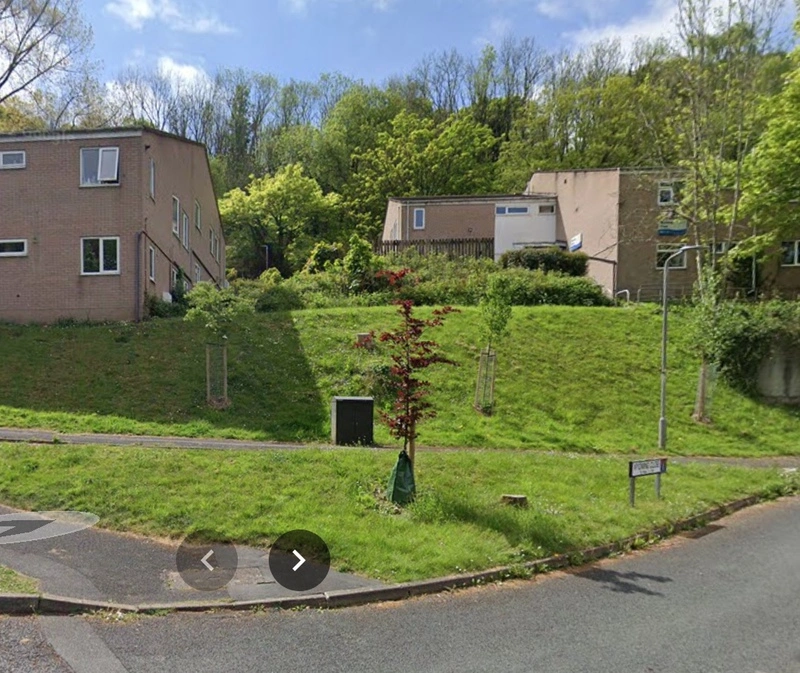
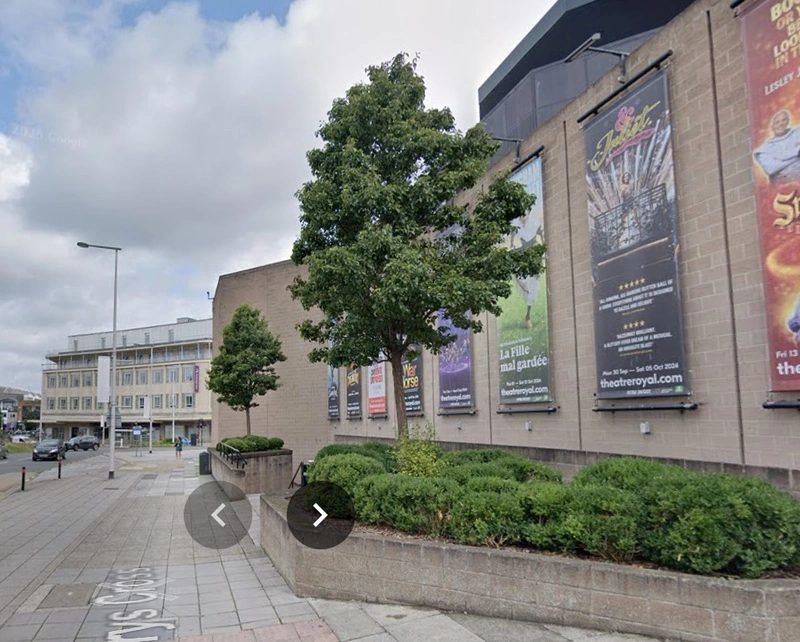
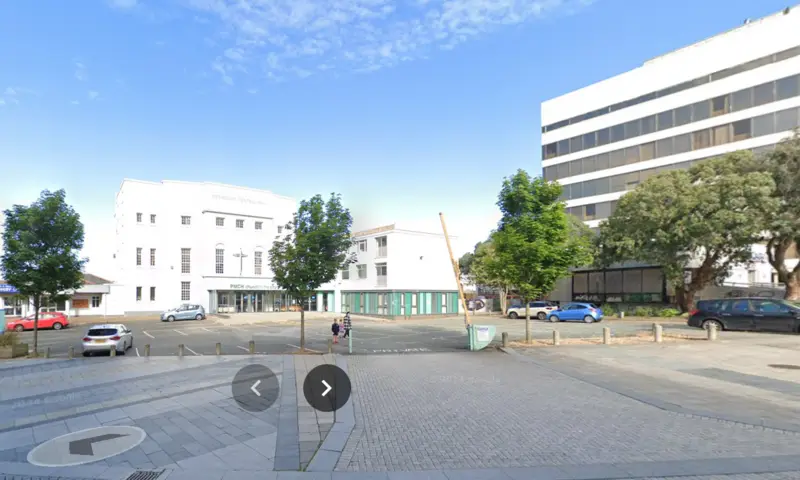
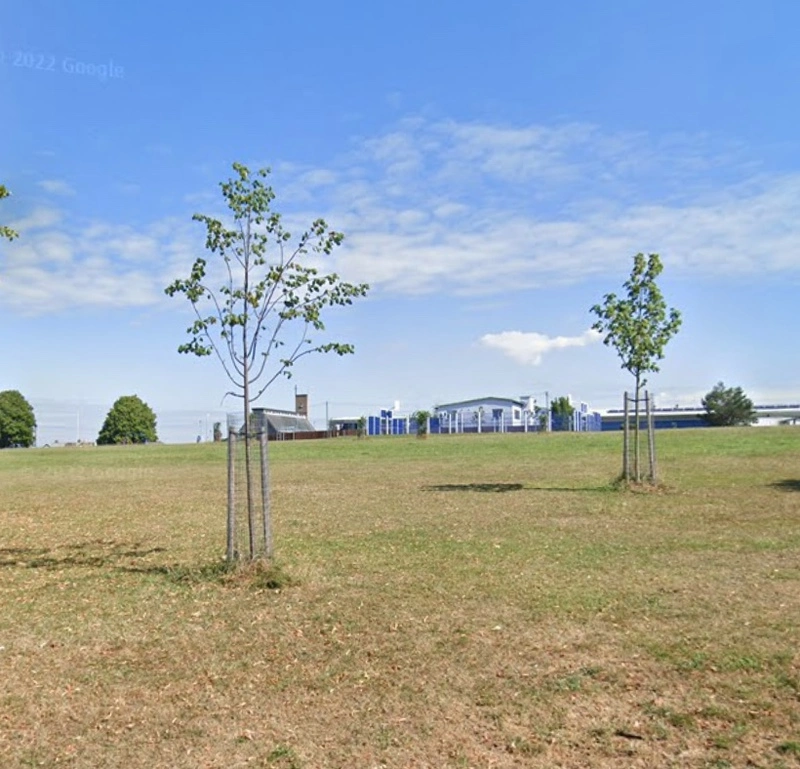
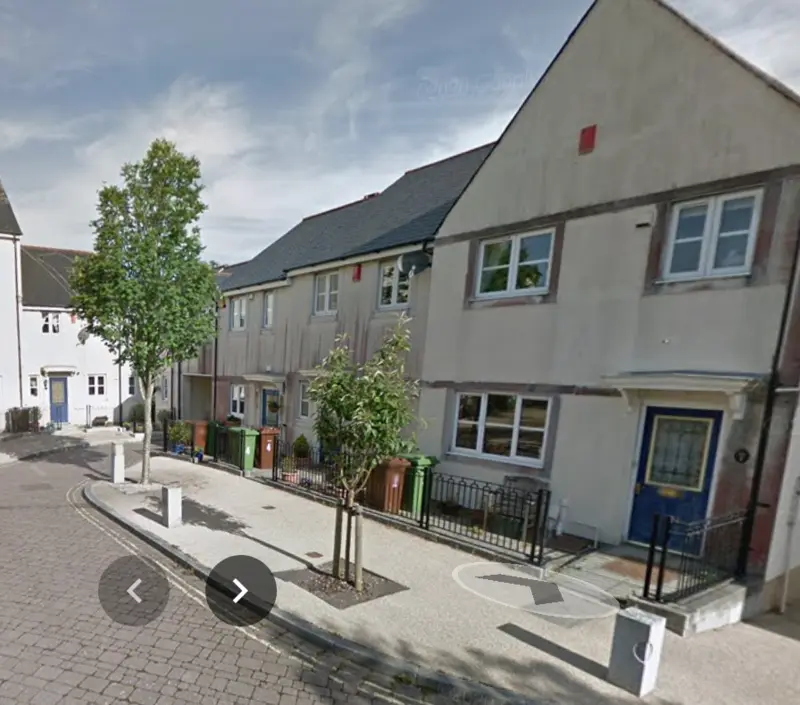
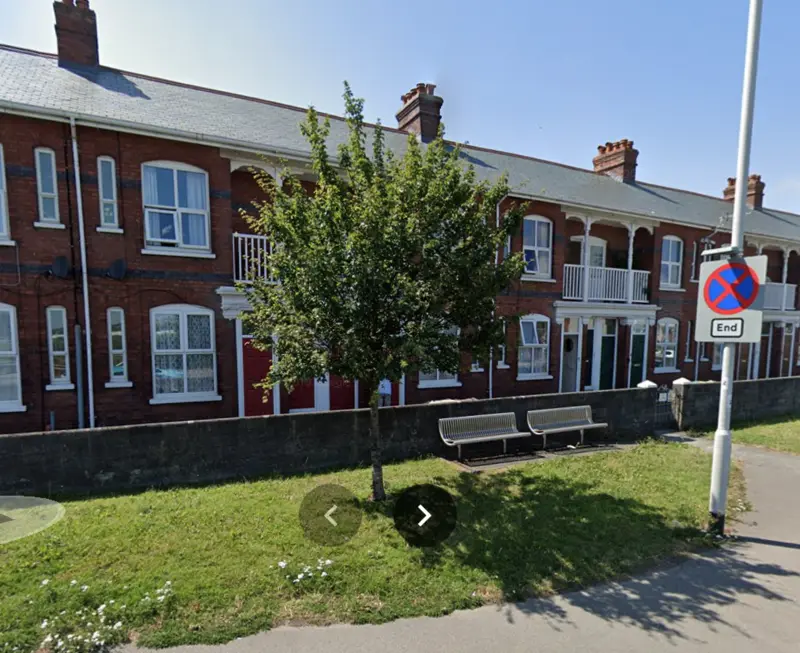
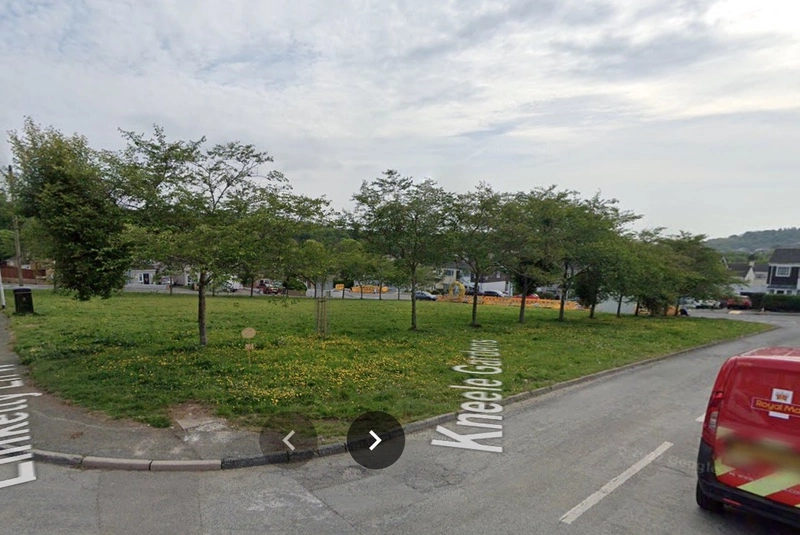
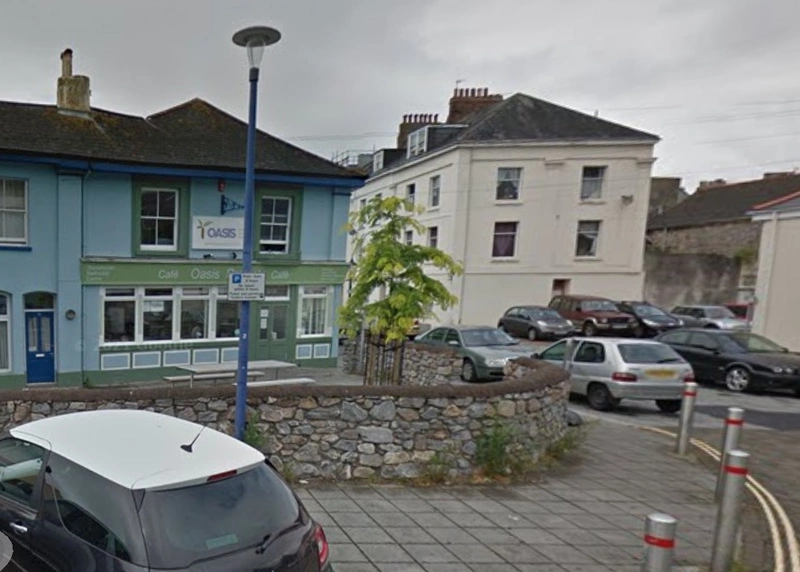
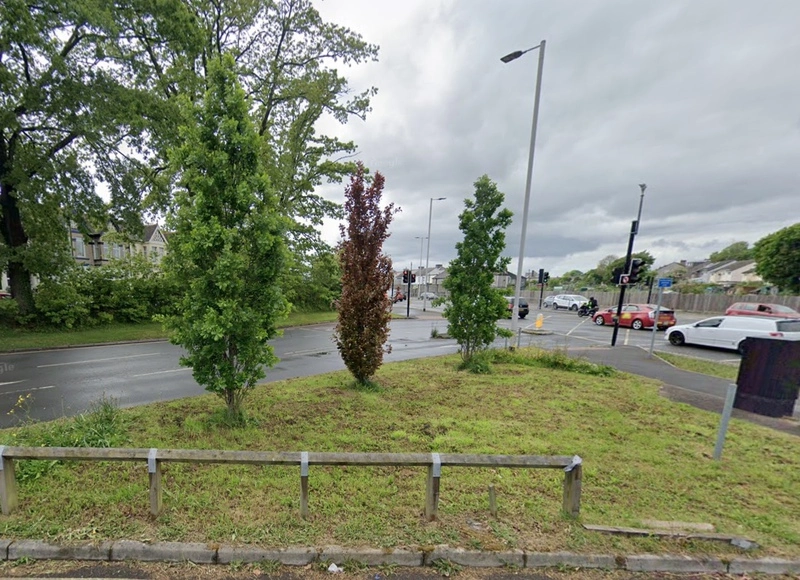
Between 2009 and 2024 Plymouth lost at least 2257 urban trees.
This is more than a record of missing trees. It’s a record of a failure of responsibility and of neglect. The long-term failure of Plymouth City Council, Plymouth Community Homes and other land owners to maintain, replace, and protect the city’s tree canopy represents not just environmental decline but a failure of care - for our health, for wildlife, and for the people who live here.
The people of Plymouth have been let down by our Highways Department, successive leaders and those holding the purse strings.
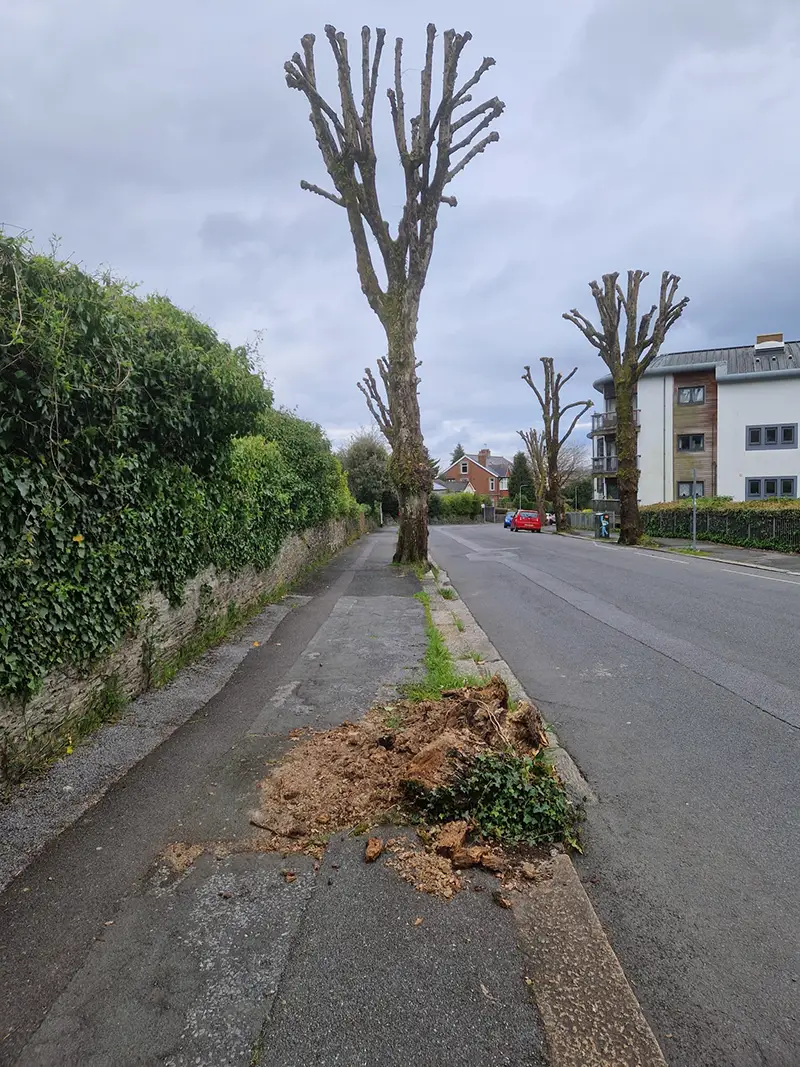
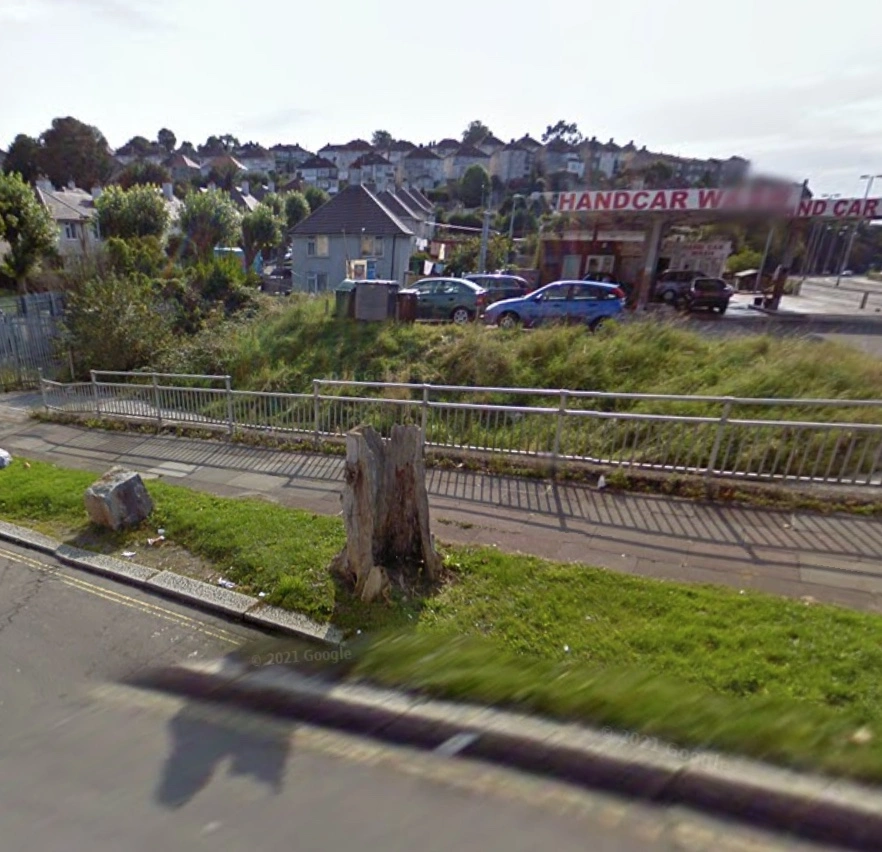
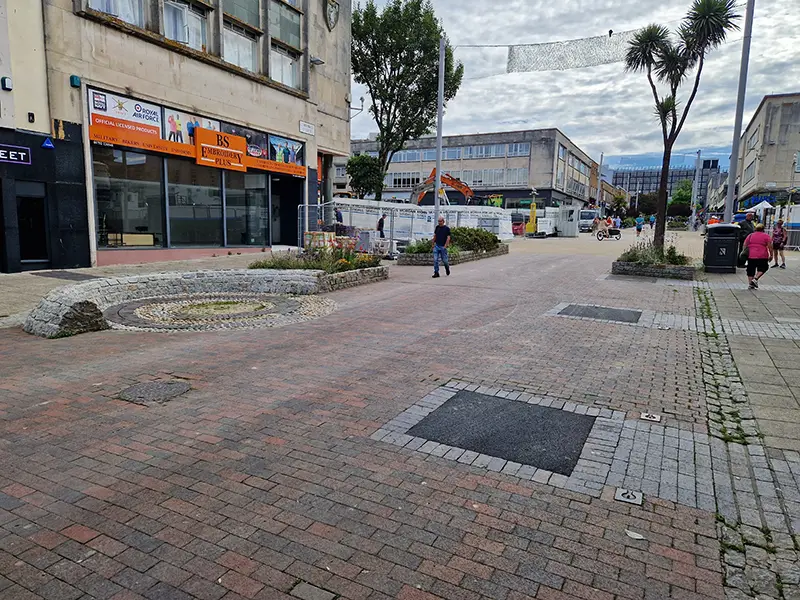
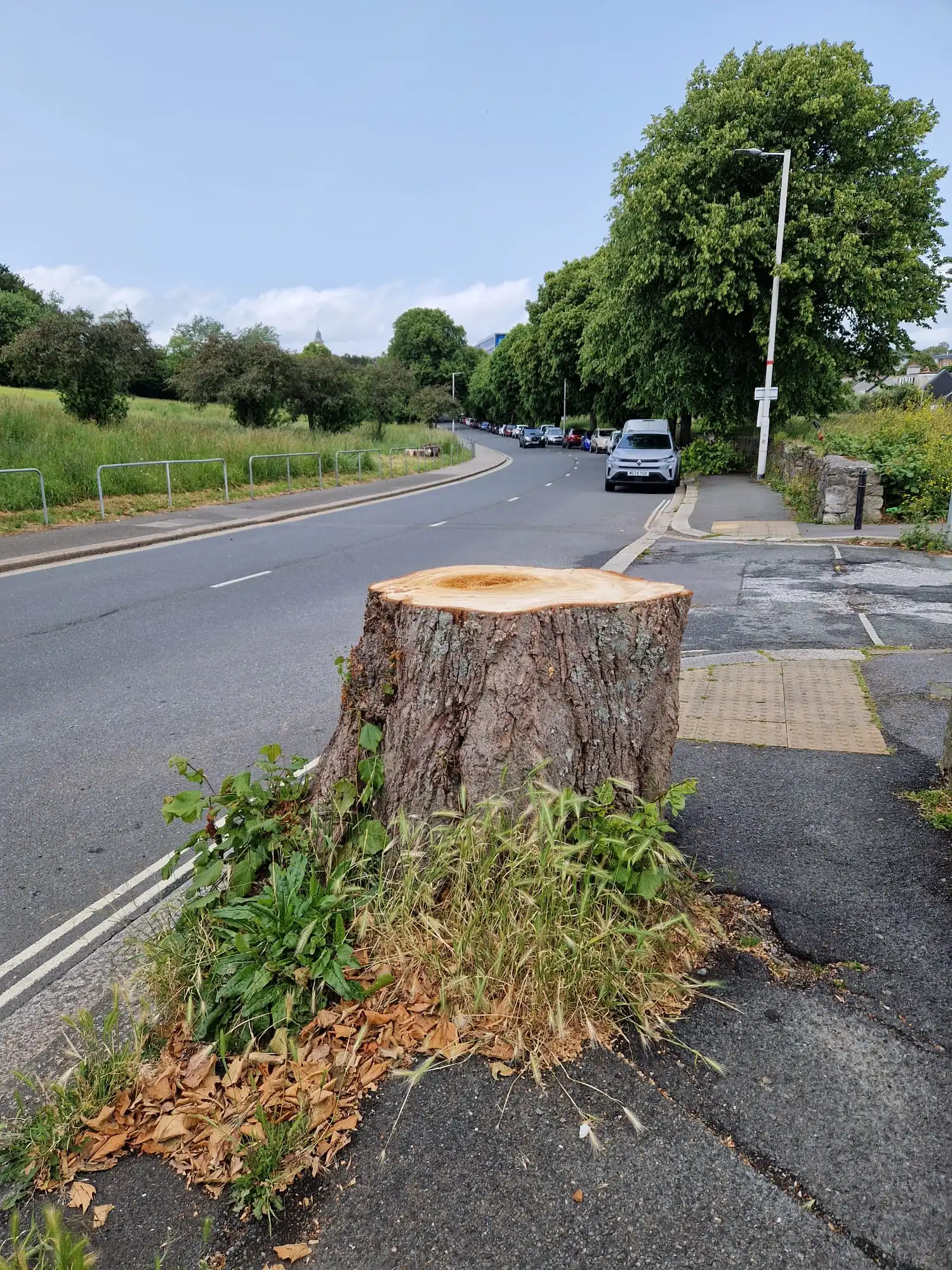
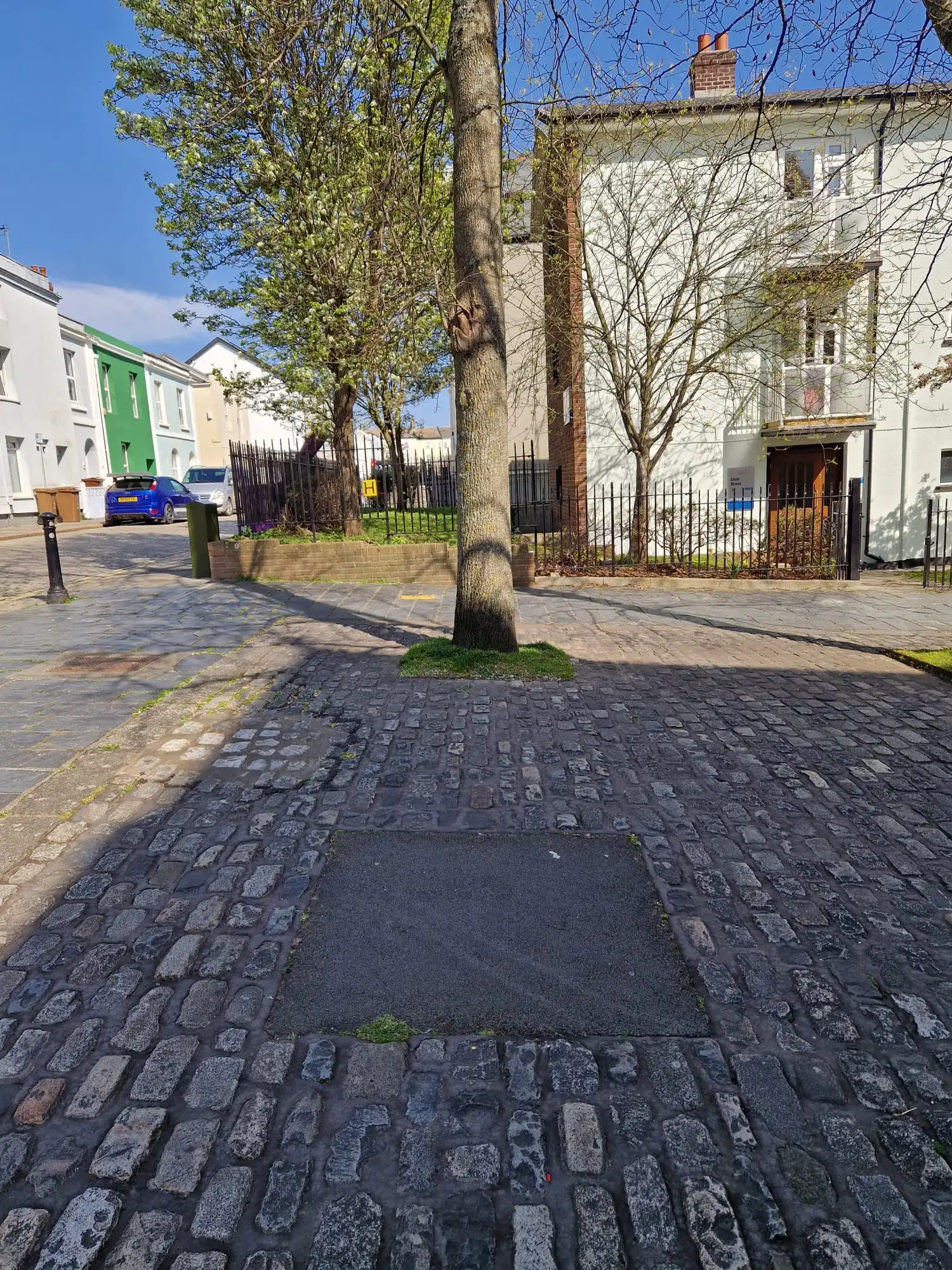
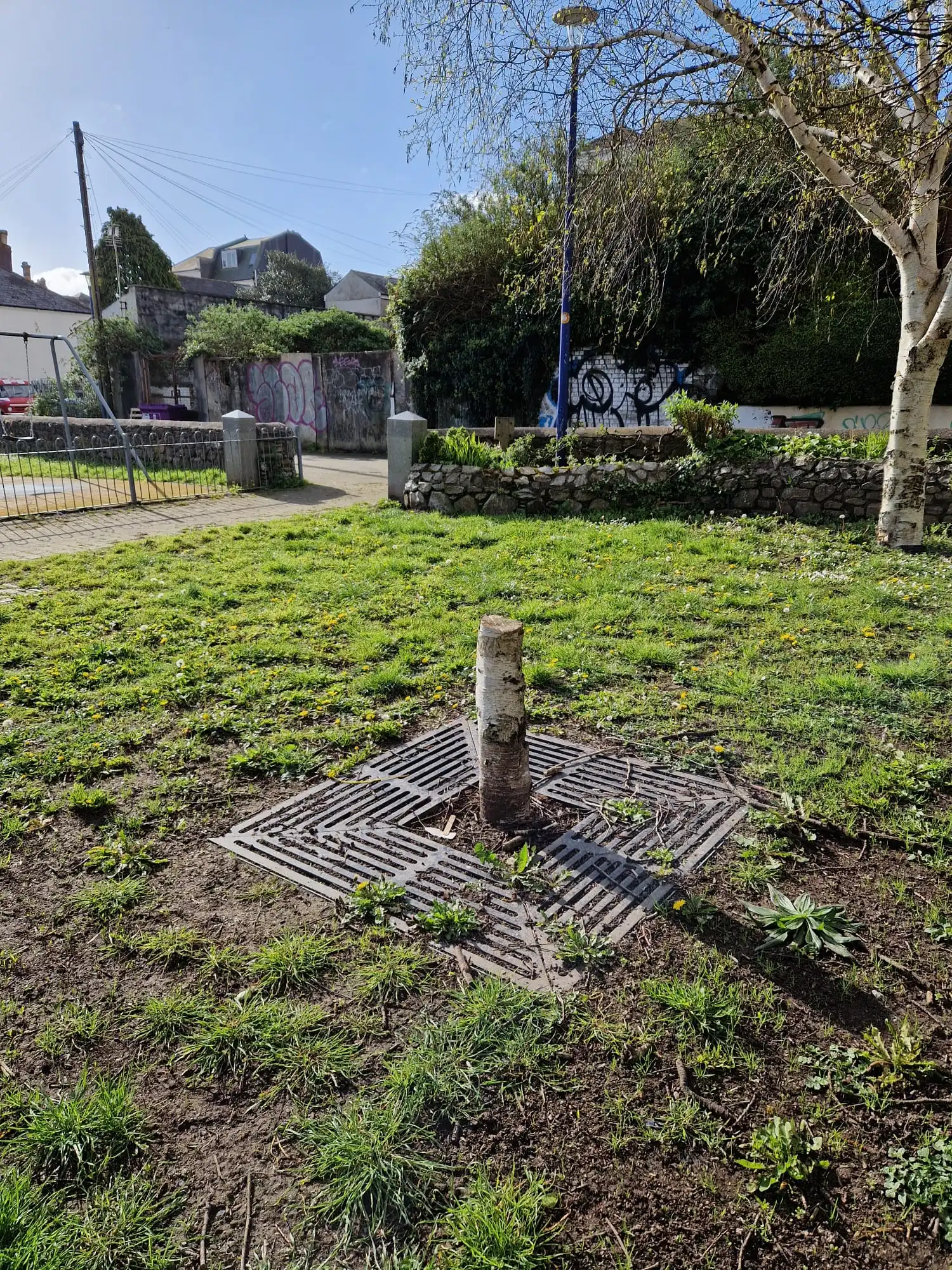
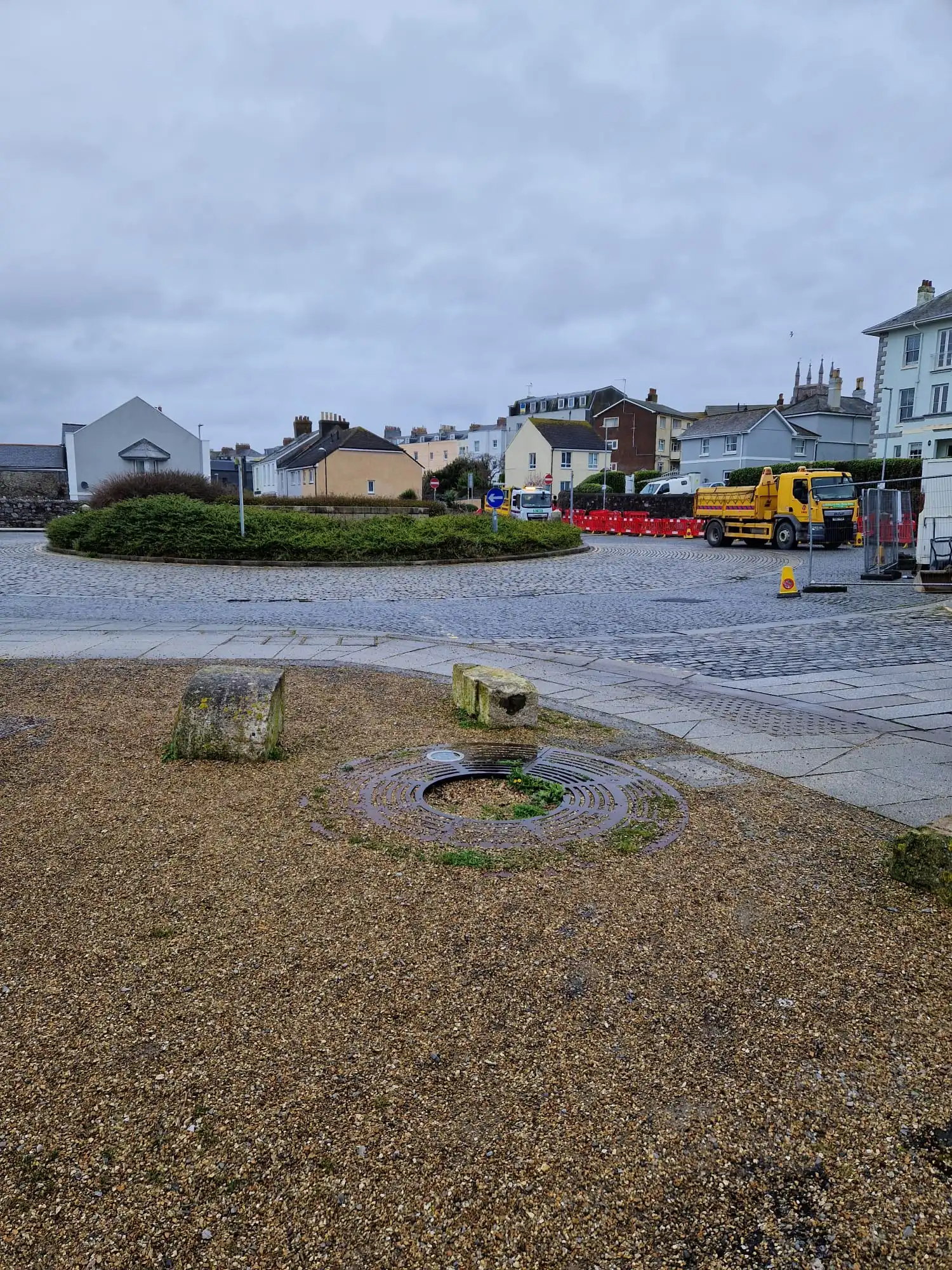
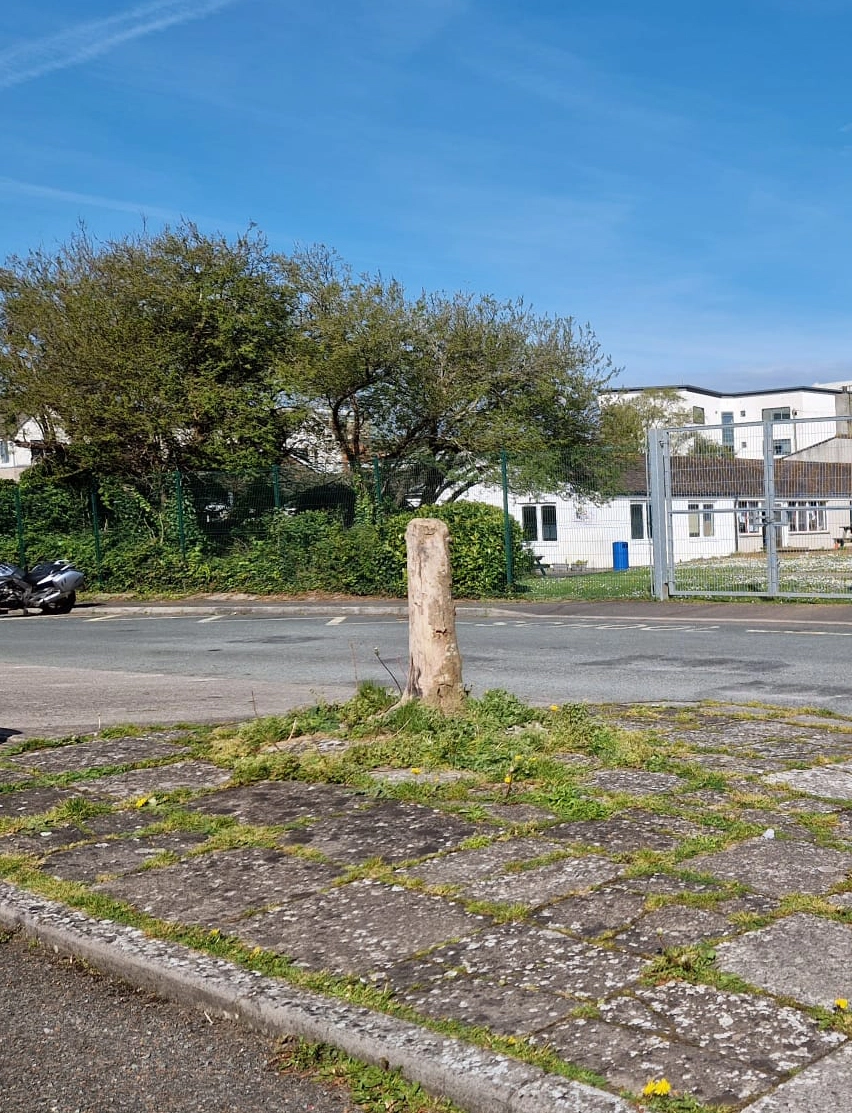
STUMP CITY PLYMOUTH is not a commentary on why trees are felled but a visual record of what has been lost - lost but not replaced.
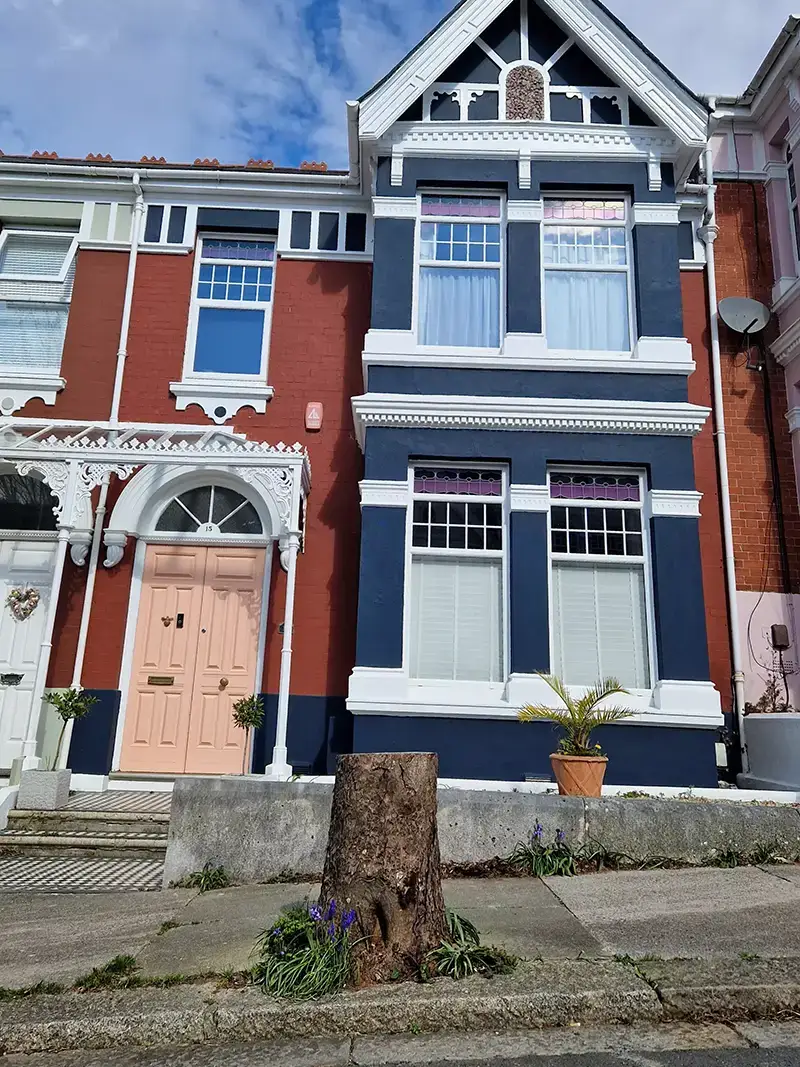
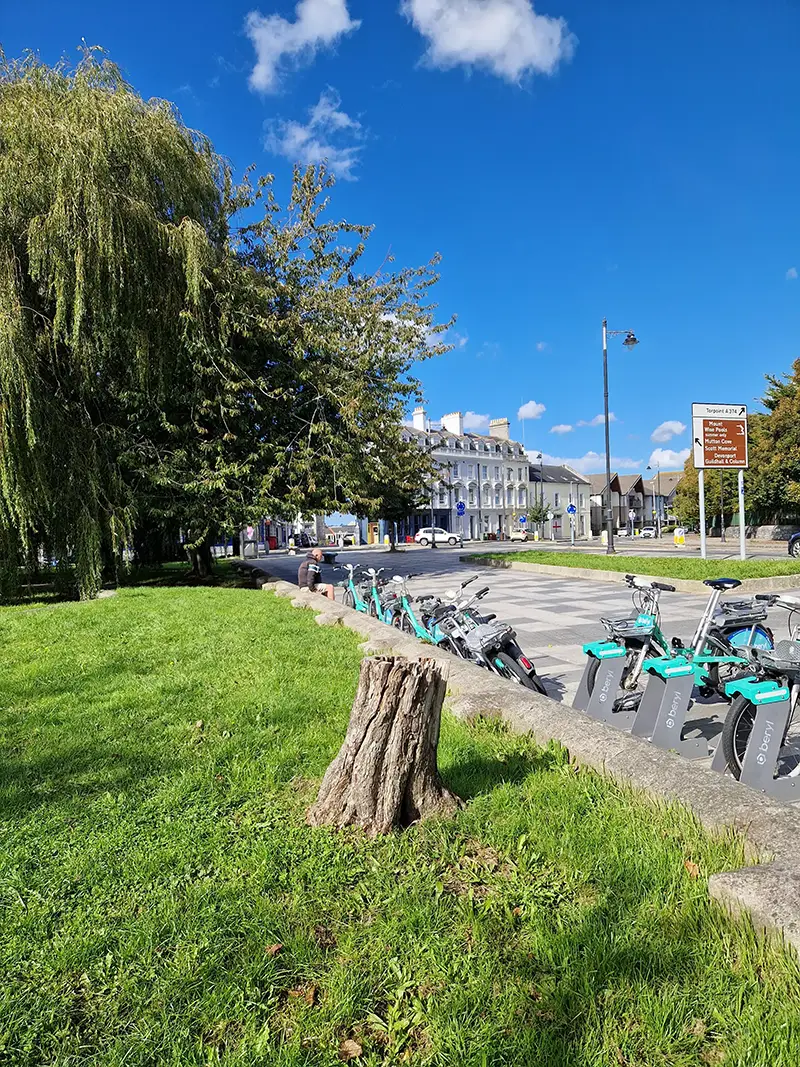
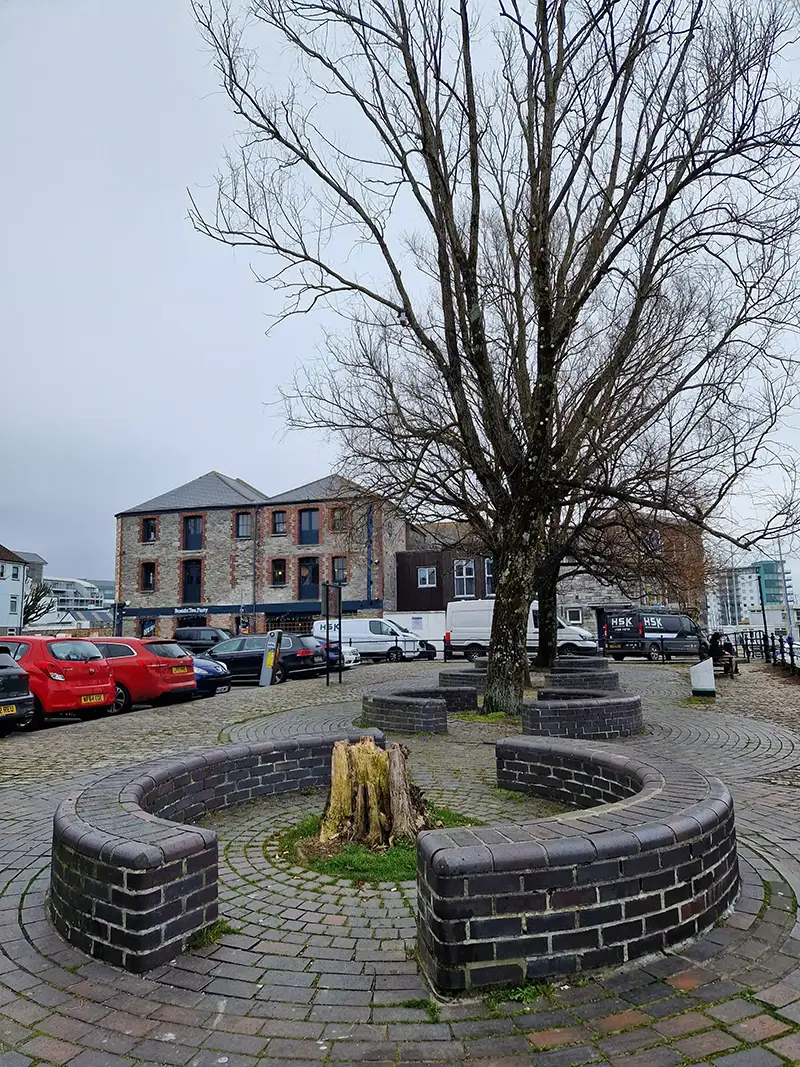
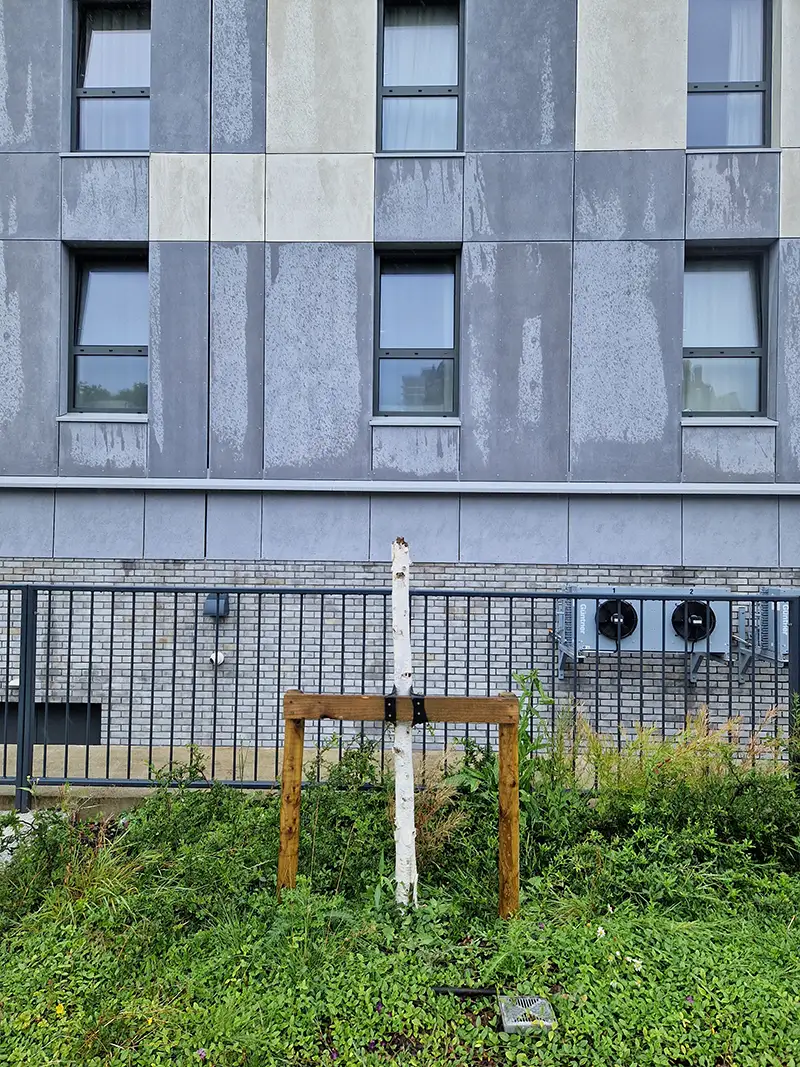
This isn't just about trees
It’s about lost shade, lost birdsong, lost carbon storage, the loss of places we feel at home in. It’s about hotter summers, increased pollution, increased flooding, and streets that feel harsher and emptier than they should. Shade and shelter were once woven through neighbourhoods; now they are confined to parks.
The Soundtrack
The music created to accompany the images contains audio clips from Plymouth City Council councillors from various meetings, as well as the PCC chief executive and a member of STRAW. Some are included to highlight the issue, others are ironic.
Why have trees?
Urban trees are essential. Not just nice. They are an essential infrastructure required for the health of the people who live and work in a city. They clean our air, they support wildlife, they act as a barrier, they slow the wind, they create shade, they slow the cars, they make us happier, they absorb traffic noise and rainwater, they make us feel safe - they create a place.
It has been proven that urban trees reduce the pressure on the NHS.
In the UK, for the last 150 years, urban trees have been planted extensively. The Victorians knew that we needed them. They planted lots of trees on streets and in parks. They liked plane trees and limes. After the Second World War, when estates sprung up, short lived trees like cherries and rowans were planted. None of these trees will live forever and they are all getting old at the same time.
Even now the benefits are better understood, street trees are still not being replaced, and even if they were, trees which are planted now will take decades to grow big. Before they do, many more mature trees will die.
The lag is now unavoidable.
Take a look at how Plymouth compares with other cities and some boroughs of London. Images and data from treetalk.eco, Forest Research, Hackney Council street tree map and the London.gov.uk tree map. Notice the green (or lack thereof).
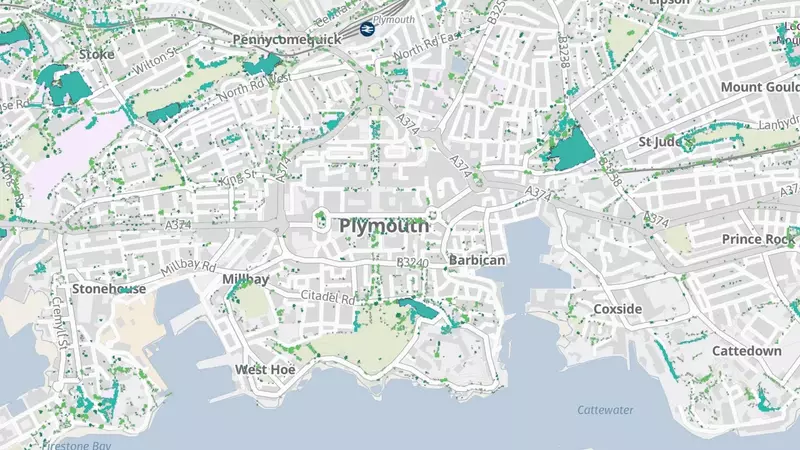
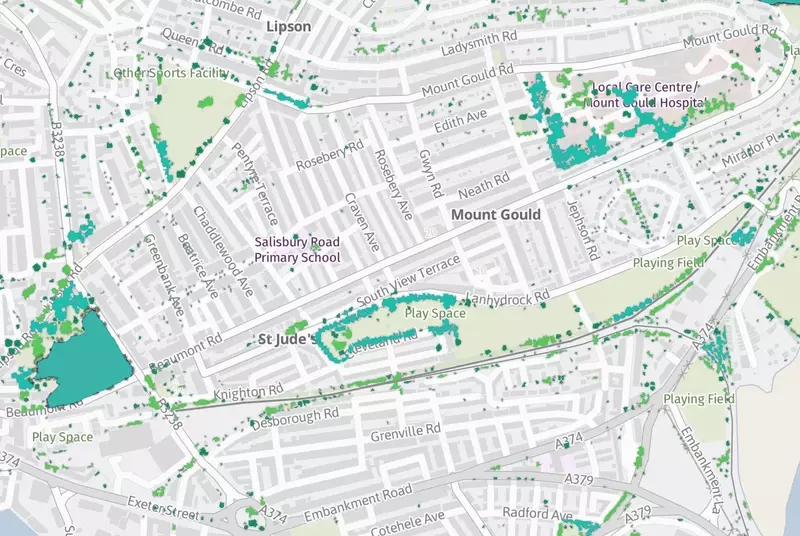
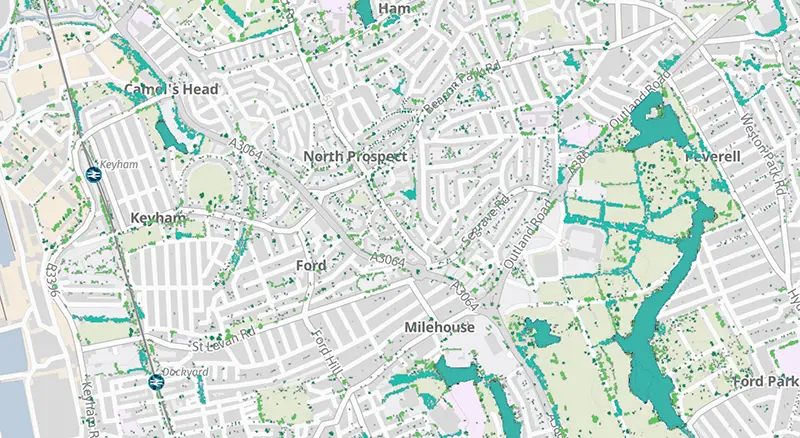
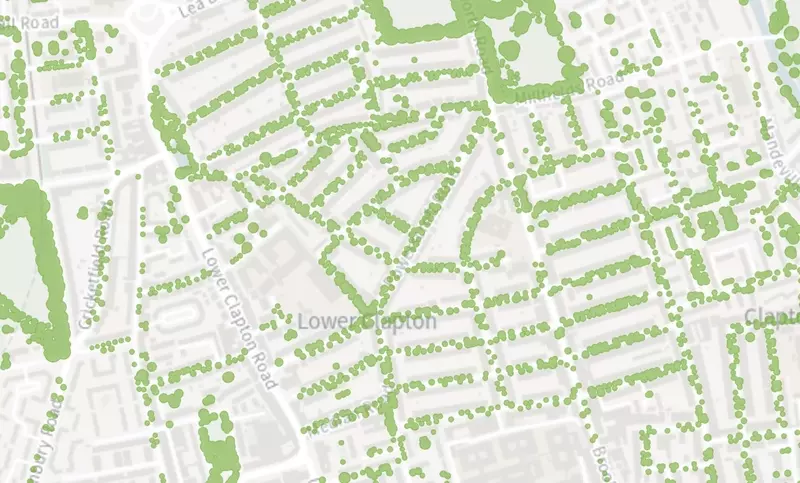
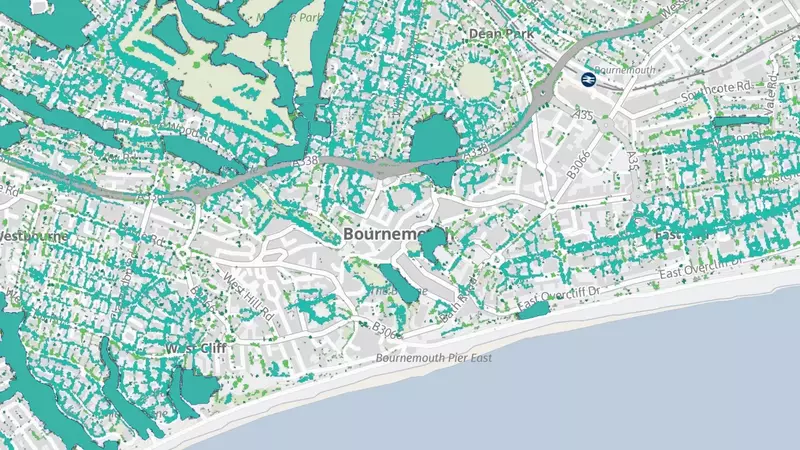
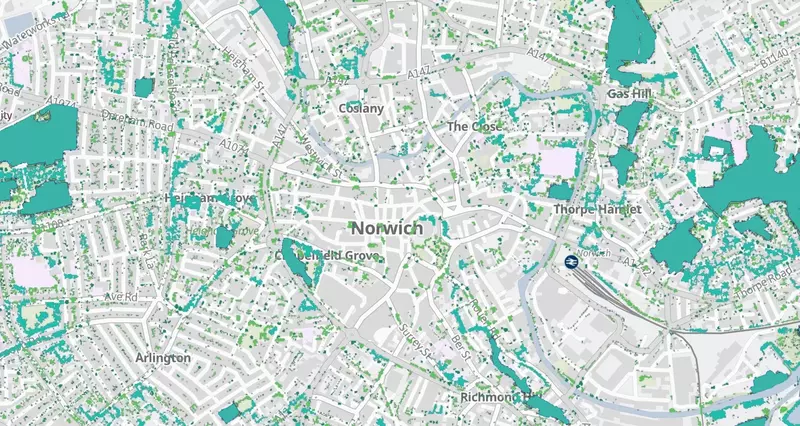
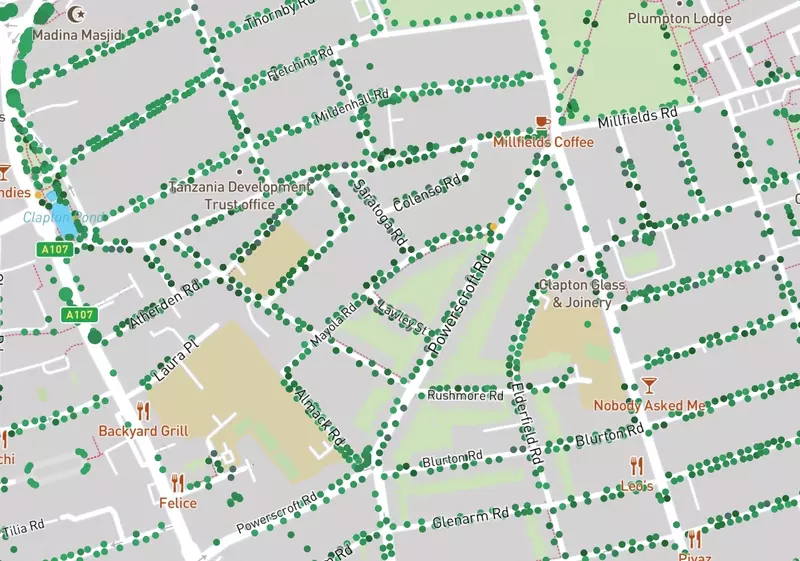
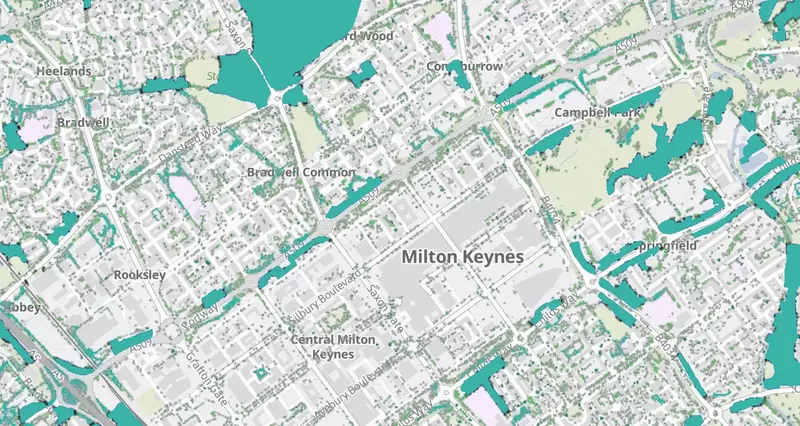
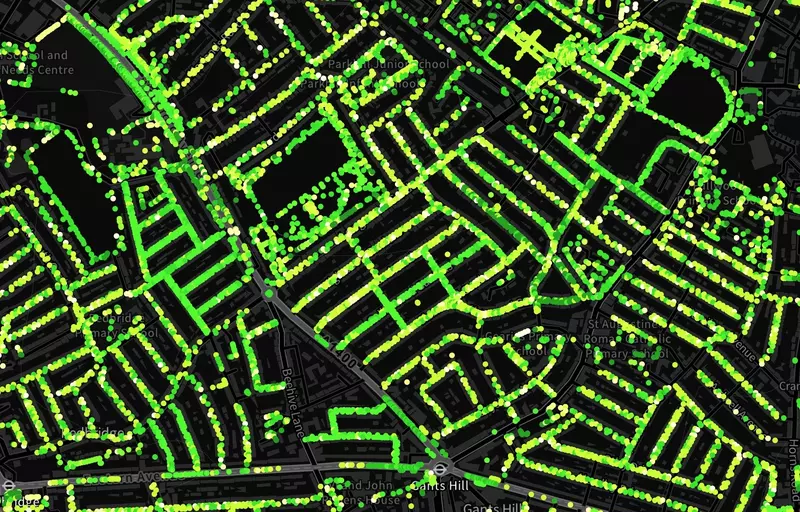
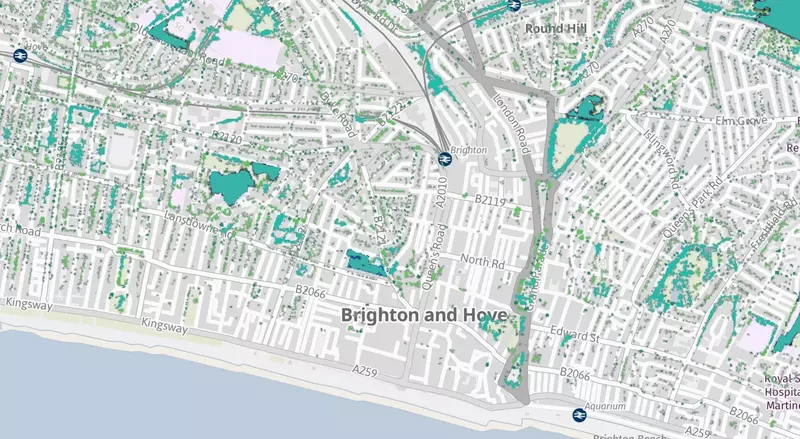
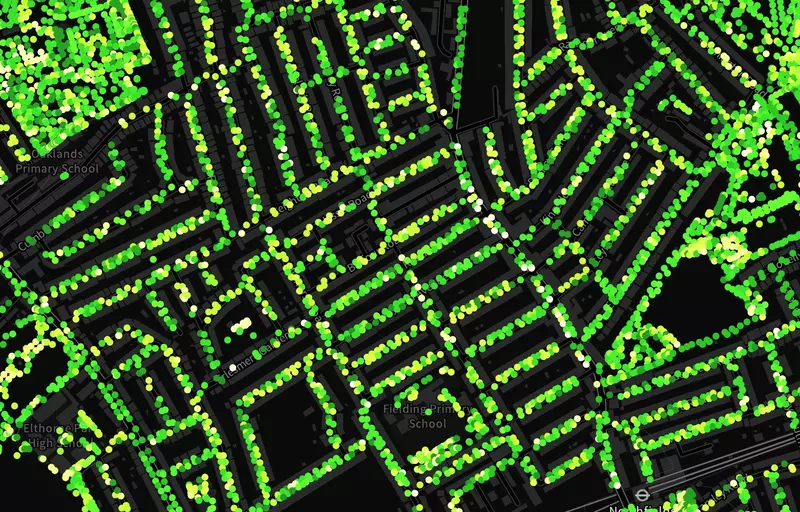
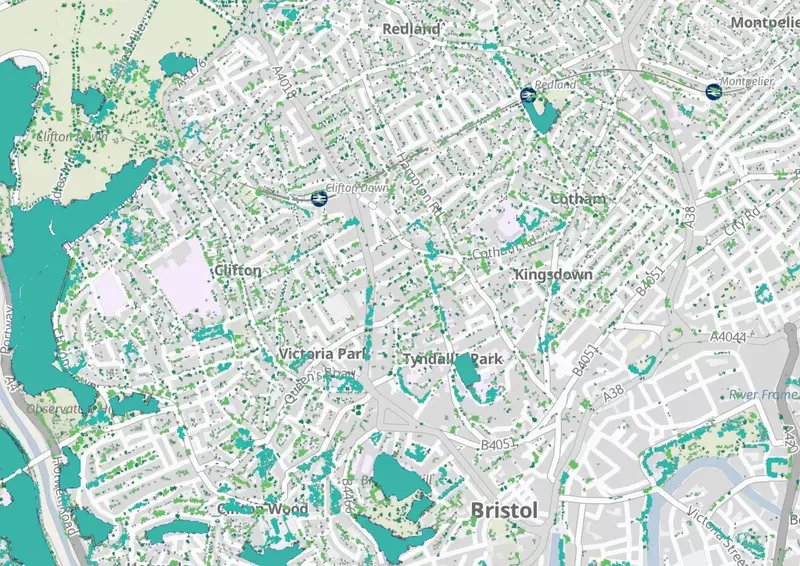
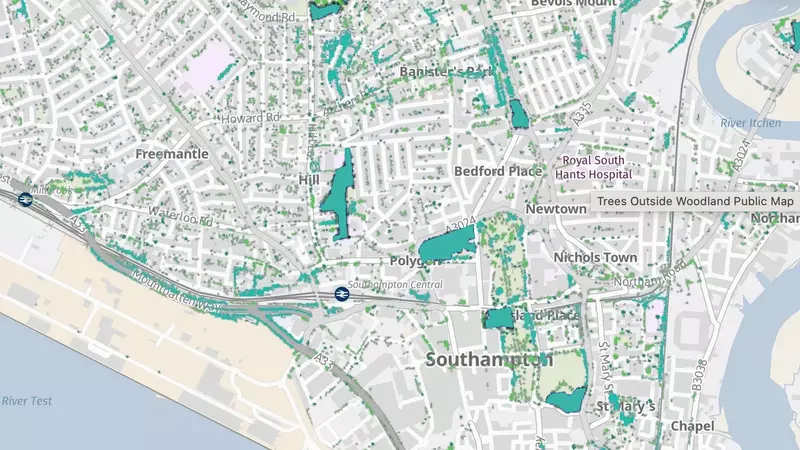
In other cities in the UK, when these trees die or need removing, they are replaced. They understand the need, and funding is made available. Other local authorities prioritise their trees and have them replaced, often using the planning system to pay for the replacements. But not in Plymouth. Here, the department which should be able to replace these trees is underfunded and overruled by the Highways department.
Plymouth City Council tarmac over the place where the tree used to be. Empty squares are everywhere. Ghost trees.
This is not an accident.
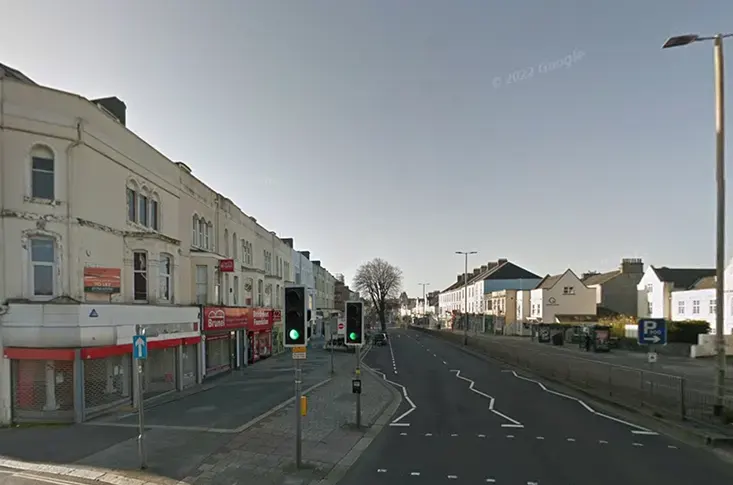
Mutley Plain, then
Mutley Plain, now
Before Street View
Vast numbers of trees will have vanished before Google Street View started recording our streets. Areas like Peverell and Lipson once had tree-lined streets. Now, they are gappy or treeless. Even Mutley Plain was tree-lined once. The tree avenues, planted when these houses were built, are declining. Our urban canopy needs a mix of ages of tree to ensure that there is continuity of canopy cover, for us and for wildlife.
Lipson
Peverell
No place for trees
You will notice that some of the areas don't have many images.
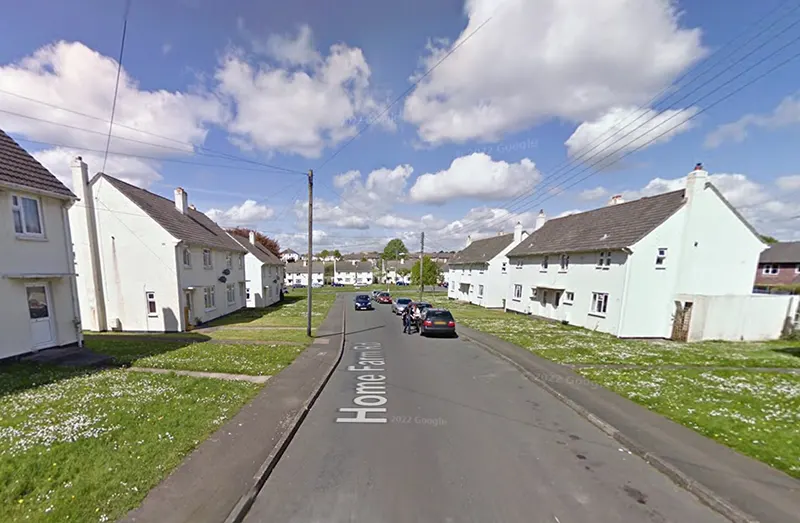
Some areas, like Keyham and Prince Rock, have lots of streets of terraced houses with pavements which aren't wide enough for trees. Unfortunately, they were never designed in.
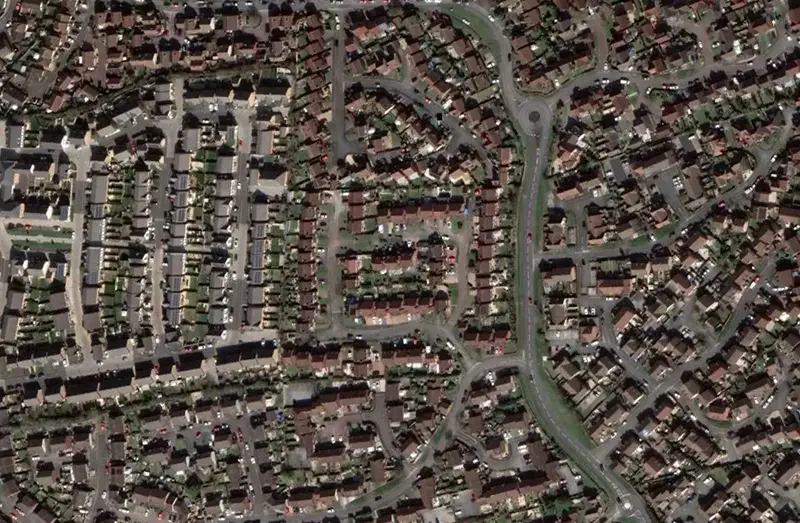
Other areas, like most of Plymstock and parts of Plympton, simply don't have many street trees. In some places, trees were planted when the houses were built, in the grassed verges along residential roads but they are long gone. Indeed, some never had them. Housing estates look as though they have been designed with no space for street trees and the canopy cover in these areas will be almost exclusively from private gardens. Modern estates are even worse, with parking spaces taking priority; some don't even have pavements.
The responsibility for the canopy in these areas has been offloaded to the public, by the planners.
Plympton
Plymstock
Cattedown
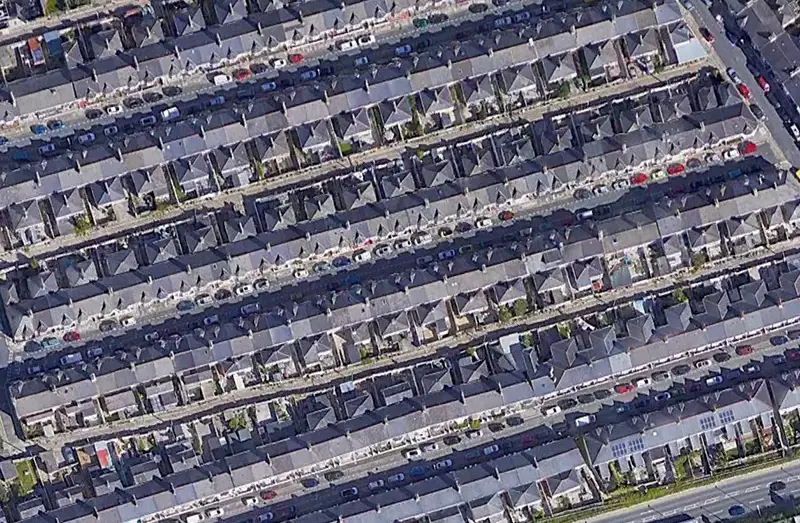
North Prospect
In 2011, a housing renewal project was started which saw huge numbers of houses demolished and replaced. With them, went many of the trees. The project took 12 years and cost £130 million. Some trees were retained but hundreds were felled, very few replacements were planted and of those that were, many have since died. According to The Woodland Trust's Tree Equity Map, North Prospect has 4% tree canopy cover and is one of the worst areas in Plymouth for Tree Equity.
Briardale
Myrtleville Crescent
Tree Management Policies
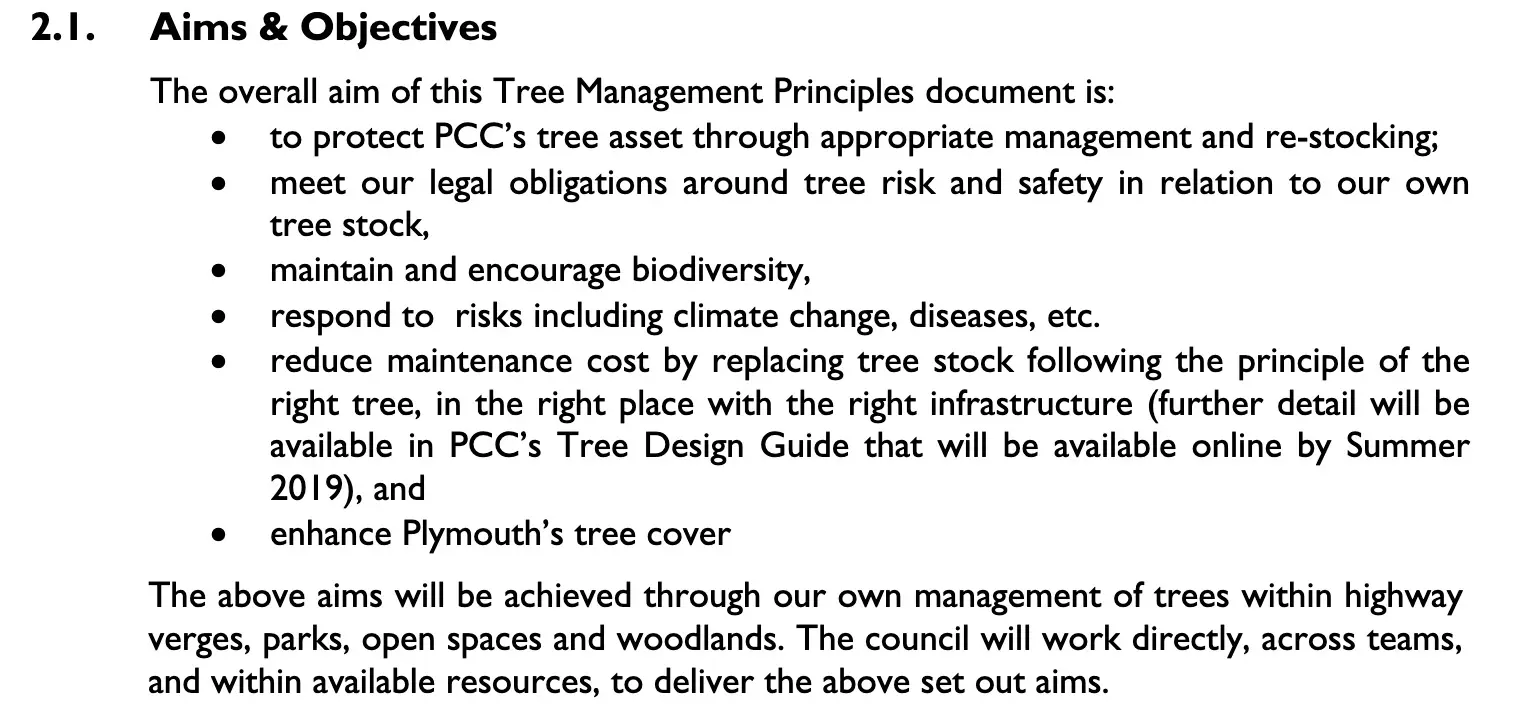
In 2019, Plymouth City Council developed a Tree Management Principles (2019 - 2024) document. This document claims that PCC will proactively secure S106 funding for replacements and look for other sources of funding in order to provide itself with a "resilient tree canopy" in line with their "Aims and Objectives" (below).
The policy also states that tree replacements will be planted during the next tree planting season after a tree is removed.
It's not all loss though, is it?
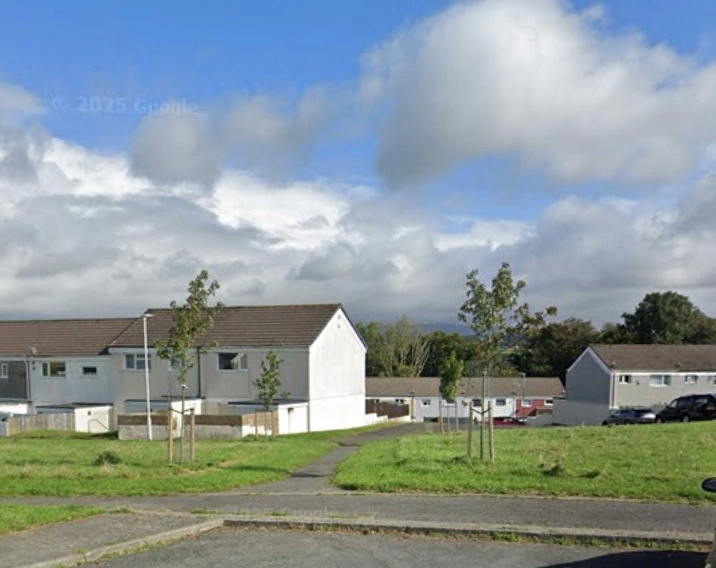
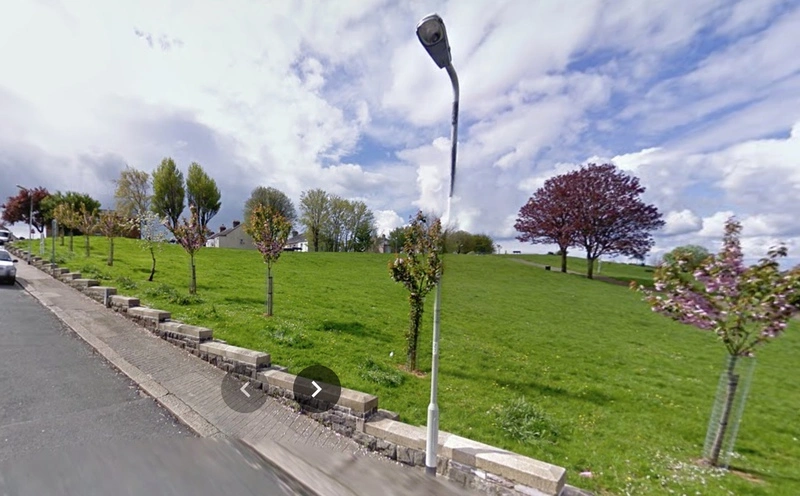
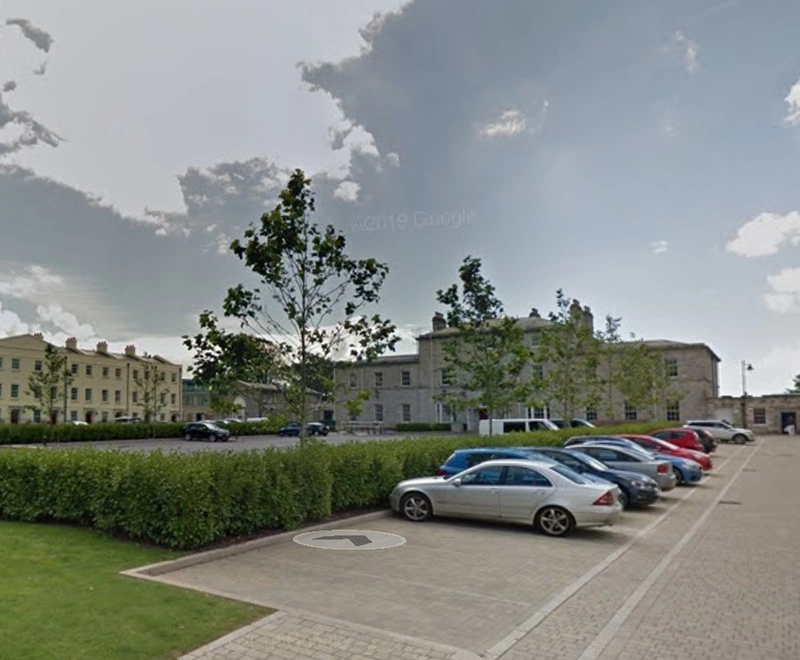
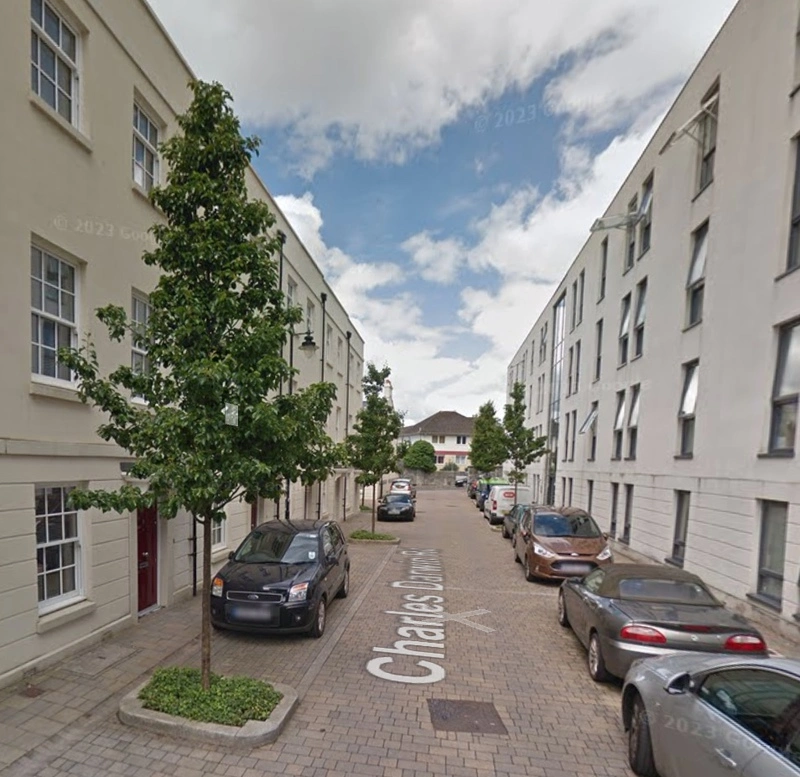
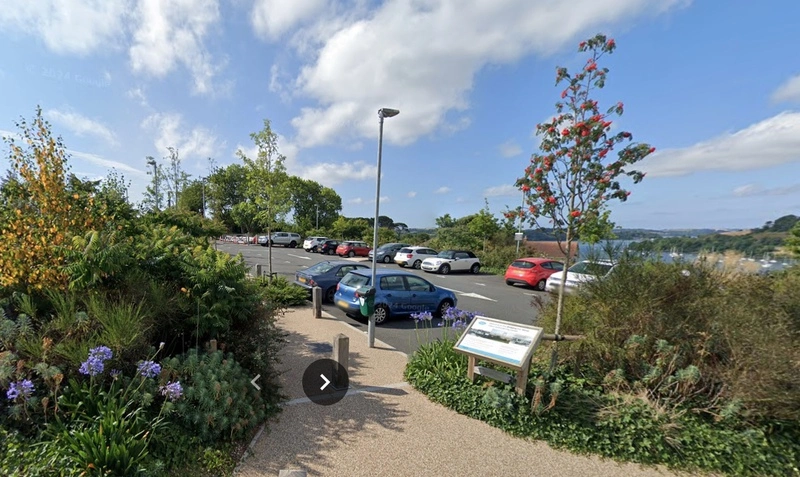
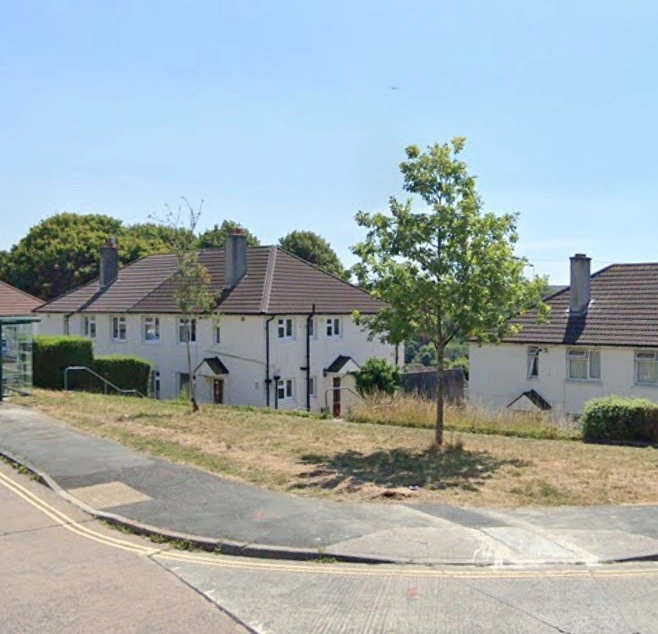
We are not suggesting that no trees were planted in Plymouth between 2009 and 2024. While researching for the project we did find evidence of a relatively small number of new trees having been planted in Plymouth, although these were eclipsed by the losses. Some were planted by developers when buildings went up, or when public realm projects were carried out. Others were planted by local groups, such as the local charity Plymouth Tree People. Some were planted by PCC, as replacements - although there were very few of these. And since 2019, PCC were able to plant some new trees in the city, without allocating much of its own money to it due to the Government-funded "Nature for Climate Fund". This DEFRA-funded scheme has since 2021, funded the Plymouth & South Devon Community Forest which has planted trees in the city, although the focus has not been on street trees.
The new PCC Plymouth Plan for Nature and People has set a target to plant 1,000 new street trees within the next 5 years. Our tree stock is aging, so it's likely that the rate of loss will only increase in the future. Judging by this and the failure rate we have estimated (which is conservative), this goal will just about cover the numbers felled every year, and not increase street tree numbers.
What can you do?
- Write to your MP and councillors.
- Tell them you want streets, not just parks, prioritised when planting in the city.
- Request all historic street trees that have died be replaced where possible.
- Demand higher urban tree planting targets to not only maintain, but increase tree numbers.
- Remind PCC to uphold their own policy of replacing street trees.
How do you know Plymouth has lost 2,257 trees?
* This is an estimate based on the number trees lost calculated by an average number of trees felled per image from a random sample from each location of about 10% of all of the locations.